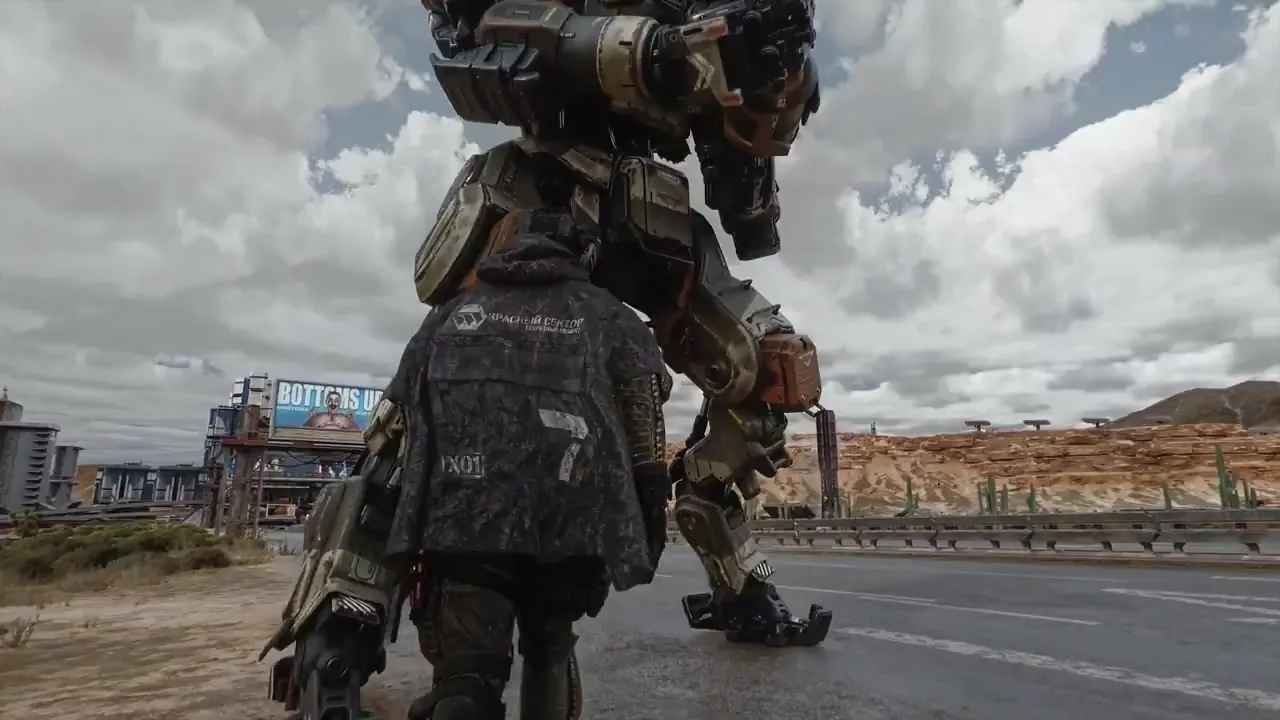
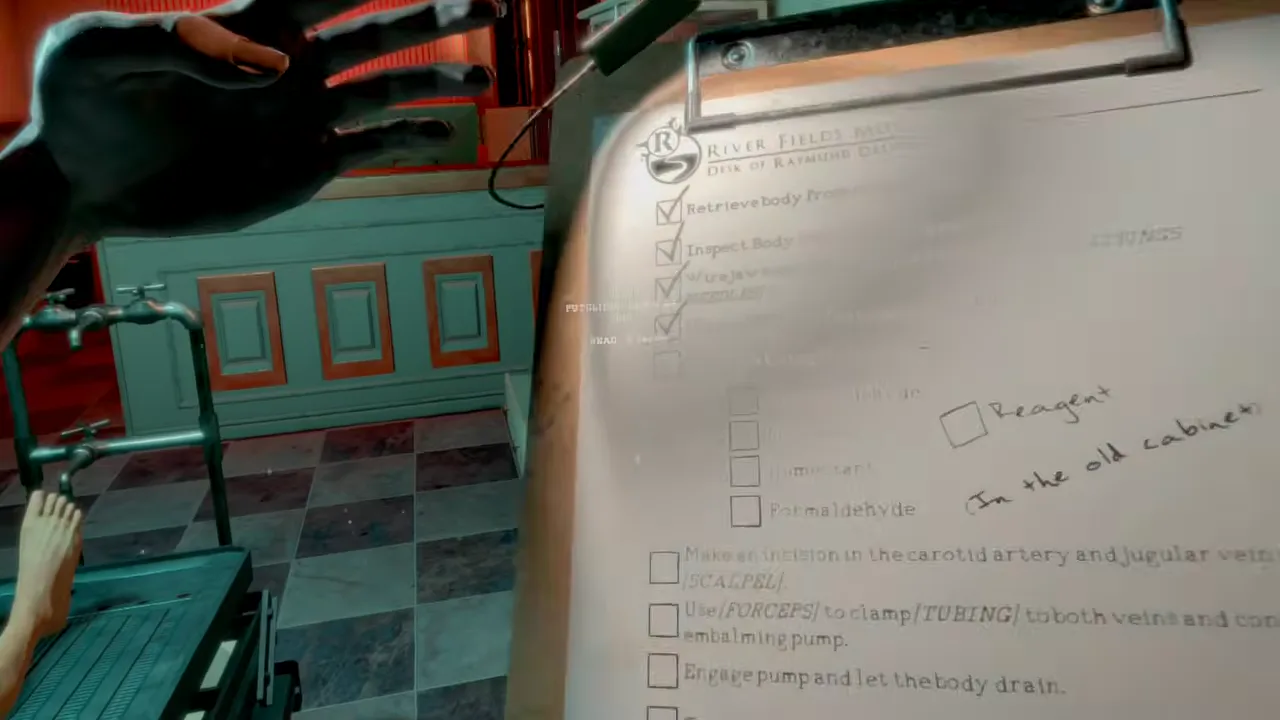
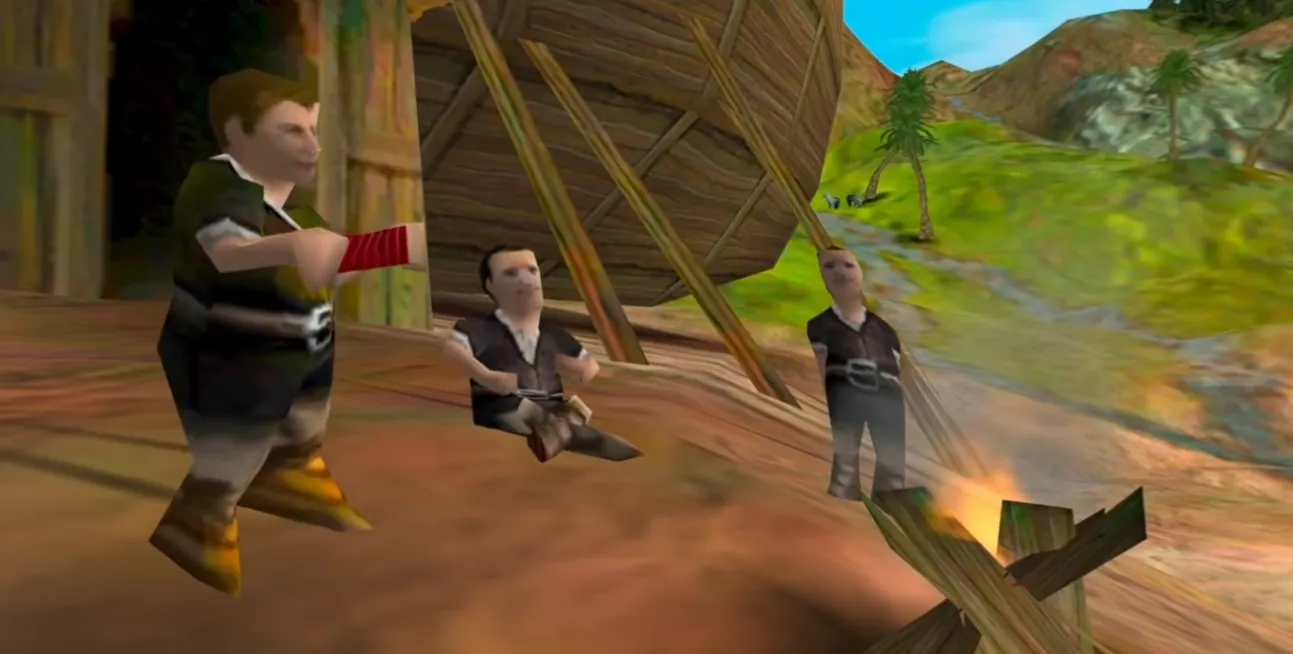
Black & White (Lionhead, 2001) never gave you a cursor. It gave you a Hand: you dragged the land to move, picked up villagers and rocks, slapped or petted your Creature, and cast miracles by drawing shapes. It was a motion-control game waiting for the controllers to show up. Lionhead even shipped an official patch 1.3 whose only addition, per PCGamingWiki, was support for the Essential Reality P5 glove. I put countless hours into Black & White as a kid, after loving Populous (how I got there is on the About page).
Twenty-five years later, a modder who goes by Buck (buckzor122 on Reddit) has given the Hand to your actual hands. The Black & White VR Mod went to public alpha this week. Its README sums it up: "Your hands are the Hand. The land is at the height of your waist, and you reach in."
In a separate r/virtualreality thread asking why flat-to-VR conversions are suddenly so fast, Buck explained how he built it: with AI tools, which he says can now decompile and recompile game binaries.
"It's almost as if the original source code for every game and piece of software has now been released."
— buckzor122, r/virtualreality
What the mod does with your hands
Going by the README, the right hand does most of the work:
| Hand | Input | What it does |
|---|---|---|
| Right | Grip | Close to take a thing, open to let go; swing and open to throw |
| Right | Point, grip, pull | Brings a distant thing to your hand |
| Right | Hold B and draw | Casts a miracle by gesture |
| Right | A | Hold to aim a teleport, release to go |
| Left | Grip | Grab the land and pull to move; both grips turn and zoom |
| Left | Y | Ring menu: Temple, Creature, town, leashes, save |
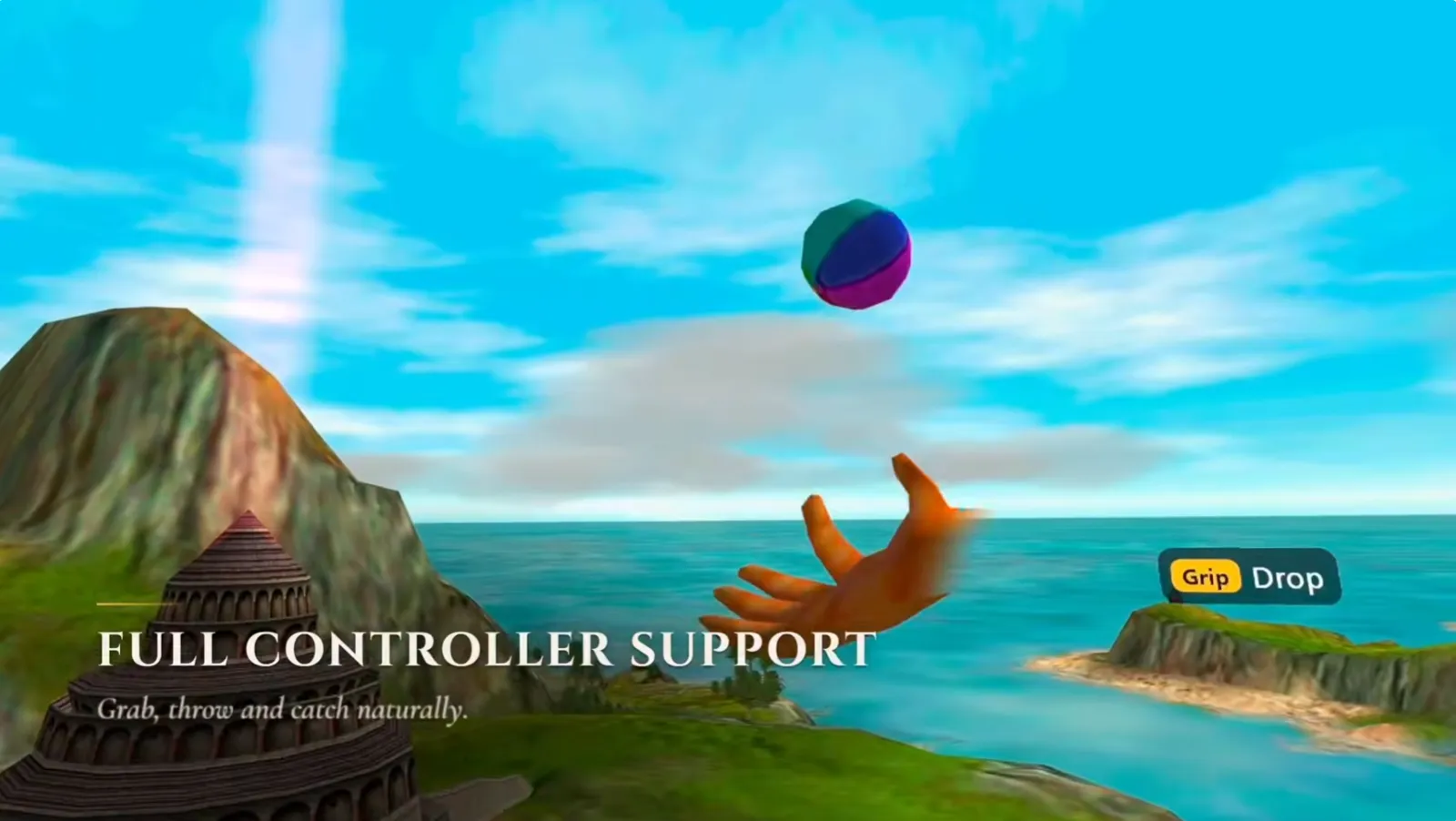
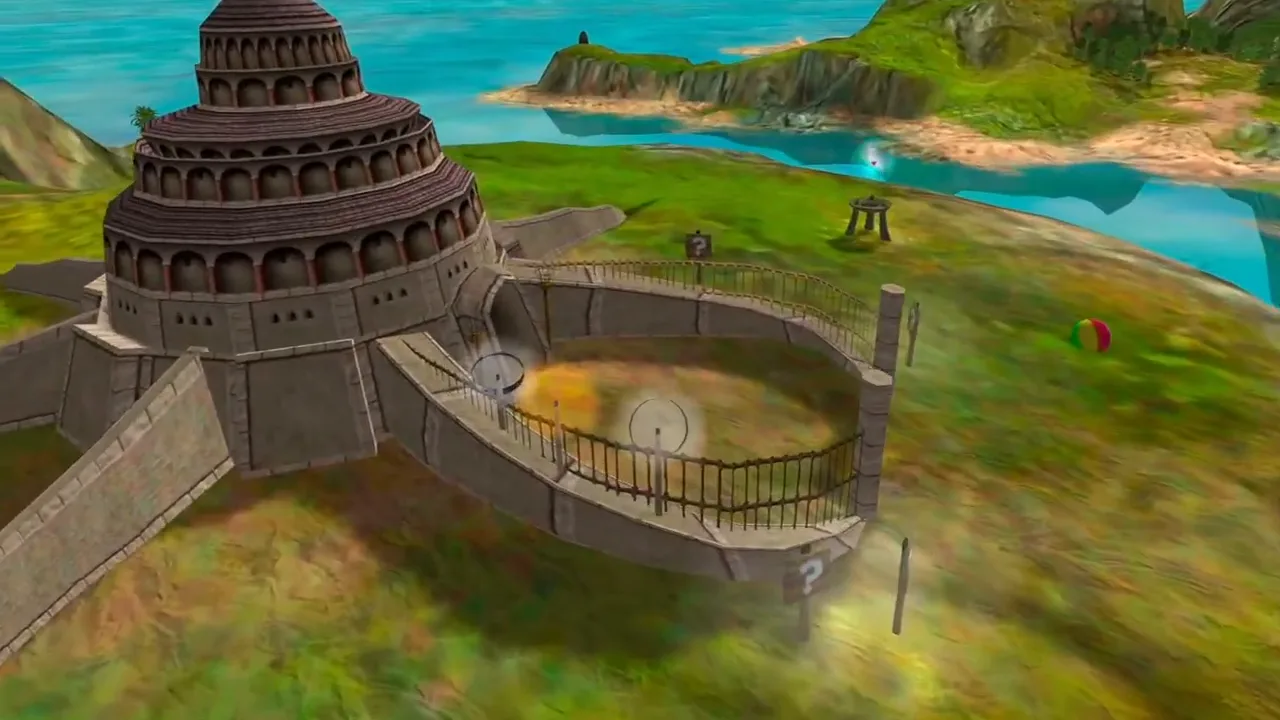
Anything the Hand can act on glows gold, and red means it is outside your influence. Sound comes from its place in the world, so the README tells you to wear headphones.
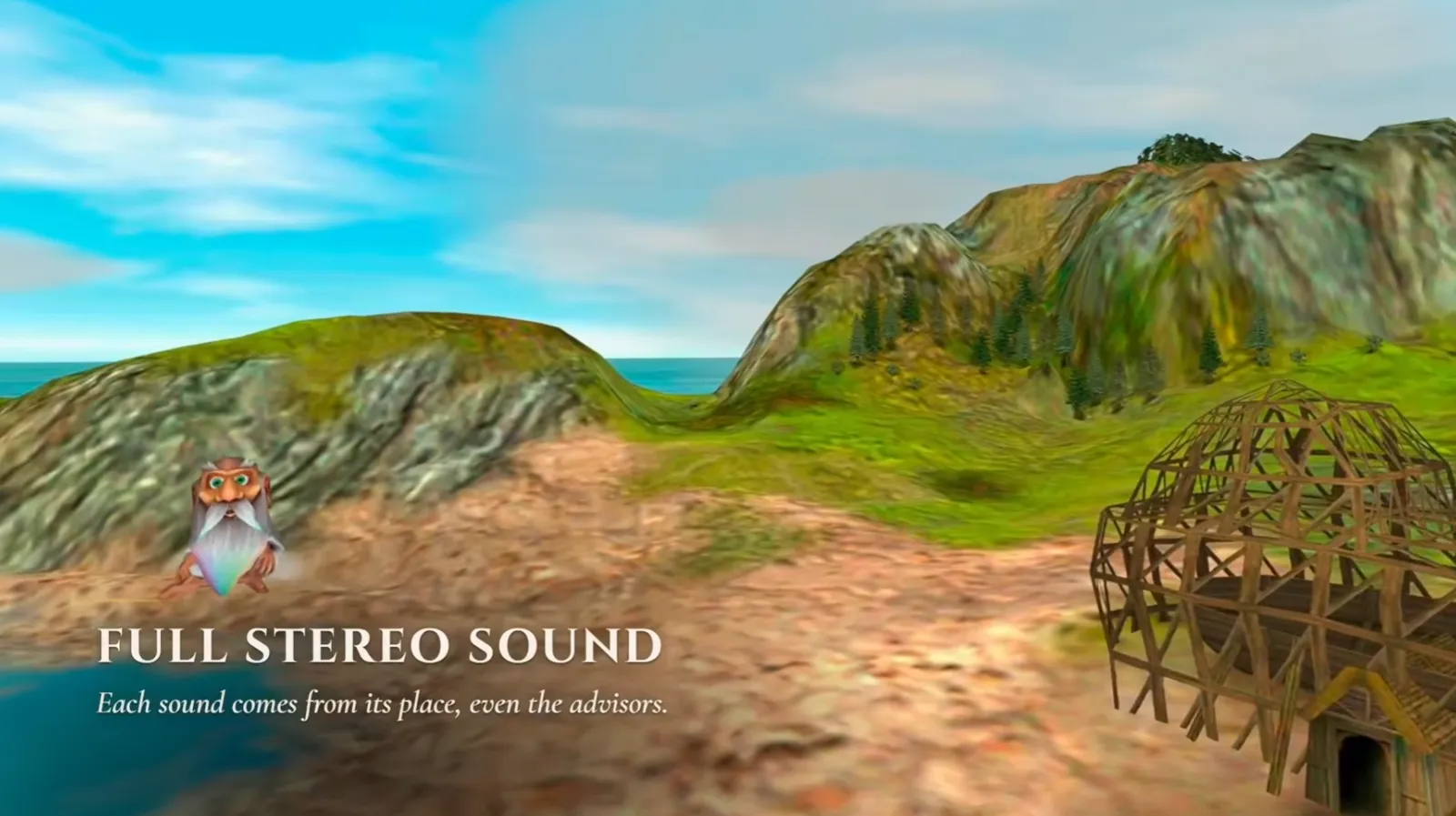
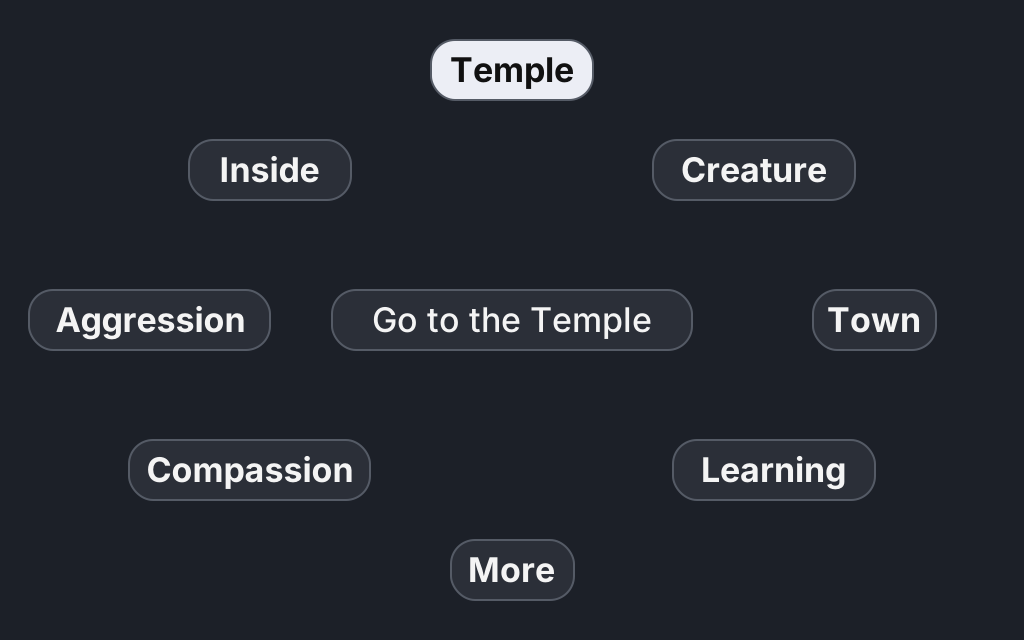
German site N30N Gaming covered the first preview on Oct 7. It added a few details: you pet and slap the Creature with direct gestures, you can take a miracle from the worship site and throw or pour it, and cutscenes play on a large virtual screen so the scripted camera never yanks your head around. N30N also notes that controllers are required, since there is no optical hand tracking, and that the mod runs on a PC, not as a native Quest app.
Before this, the only VR route PCGamingWiki lists is vorpX, rated 2D, using a dgVoodoo 2 base profile. Being able to reach into the map is a different thing from watching it on a floating screen.
$50, two weeks, then stage by stage
Buck's cost breakdown is the most concrete account I've seen of what an AI-built VR port costs:
"I technically had a playable prototype in around 2 weeks, using my entire weekly quota on a £75/month Claude plan. So that's about £38 or $50 or so for a playable mod. I spent another 2 weeks polishing it, so around £75 so far... $50-100 budget should get you basically any game into VR..."
He describes what the model handled: hooking into the game and its rendering engine, stereoscopic rendering, better performance, full controller tracking, stereo audio, teleportation and distance grab. He says it now "ALMOST feels like a native VR game." He also adds a caveat: "How well it plays in VR is a different thing, you might have to make real gameplay changes..."
His suggested workflow (same comment) builds up in stages, each one tested before the next:
- Stereo in a box. Stereoscopic rendering in a square window, with the original mouse and keyboard input.
- Head tracking, independent of the mouse.
- Full-FOV immersive rendering.
- Controllers.
- Then the VR comforts: teleport, snap turn, gravity grab, a redesigned GUI and controller tooltips.
"The loop is mostly 'Test, record bugs, give bugs to AI to fix, test again...'" he writes, and he insists you "make sure you're in control of the design decisions." In another reply he says the model is "really good at the code side of things, but might not be good at overall UI/Game design... so just make sure you steer it." His README backs this up from the player's side: it recommends skipping the game's tutorial because it "is made for the mouse and the keyboard of the original game."
How to install it (from the README; we have not played it)
- Install Black & White to a plain folder such as
C:\Black & White. Then apply official patch 1.10, official patch 1.20 and the unofficial patch v1.42, in that order. Run the game once without the mod. You should now havereadme-patch-v142.txtin the folder. - Get the newest installer from the repo's Releases page. The newest is build 72ada9d, published Oct 14. Windows will warn that the file is unsigned ("More info", then "Run anyway"). The installer stops if
runblack.exeisn't the v1.42 file. The README says it changes no game files and leaves your saves alone. - Virtual Desktop: set the Streamer's OpenXR runtime to VDXR, and turn Synchronous Spacewarp off in the headset. SteamVR: use 2.17 or later and make it the OpenXR runtime.
- Launch the "Black & White VR Mod" shortcut and choose "Play in VR". For a new game, pick "Skip straight to the Creature select." Press F11 to recenter.
- If the frame rate is low, lower "Resolution scale". If stick movement makes you ill, turn off "Move with the left stick" and move with the left grip and A instead.
- To report a bug, open a GitHub issue and attach
bwvr.log(the build is on its first line). To uninstall, remove the mod from Windows' installed apps.
N30N's Oct 7 preview reported that only the opening areas had been tested on Quest 3. Later lands, combat and multiplayer were untested, and miracles, villages and the Temple were lightly tested. That was a week before the public alpha, so check the "KNOWN ISSUES" section of the readme the mod installs for the current list.
Why everything is getting a VR mod at once
The original question in the r/virtualreality thread asked what the actual process of converting flat games to VR is, and why AI is making it so much faster. Its poster wondered whether "crazy VRAF ports like Titanfall" were technically possible before but too much work, or whether converting "something like Titanfall 2 into VR with full controls" was simply not possible on some engines until now. Buck's answer: "The frontier AI models are so good now that they can decompile and recompile binary files. In laymans [sic] terms, it can basically edit games as if it had access to the source code." Then he makes the link this site cares about: "That's why we have all these new game mashup projects like minecraft in skyrim, and that's why VR mods are booming."
Puzzleheaded_Fold466 pushes back on the framing: "Not 'because it's AI'. There are tools to reverse engineer software, and humans have been doing it forever. But it's painstaking work... So it's not so much that it can do things that humans can't, it's that it can do so much of it so fast... That's the game changer." I think that's the more accurate version. Reverse engineering has always been possible. What's changed is how much it costs.
Other replies add details. _476_ad_ points to the pairing of decompilers like Ghidra and IDA with AI, and says decompilation that once took years now takes days. 14Pleiadians says a Ghidra MCP server lets Claude Code do the reverse engineering itself, and that they are working on a DayZ VR mod. Neither claim is verified here. Buck also argues that "programming is just one small slice of the budget...": "The assets are the important bit, writing, models, textures, animation, voice acting... Software companies should be worried though, their products ARE the code."
The worry: publishers close the door
thunderflies predicts the obvious counter-move: publishers streaming binaries or requiring always-online play so there is no local executable for a model to read. That is a prediction from one commenter, not something any publisher has announced. Bacon_00 raises a quieter concern about how maintainable vibecoded mods will be, though they concede "if it works, it works."
Black & White is about as low-risk as these projects get. It's 25 years old, its official multiplayer server shut down on July 25, 2005 (per PCGamingWiki), and you need your own copy. The mod ships no game files and says so plainly. The same technique applied to a live-service game would draw a very different response. That's the bring-your-own logic from our last post, now with a decompiler behind it. Low-risk is not the same as legal, though: decompiling a game may breach its licence agreement, and whether reverse engineering is allowed varies by country. We're not lawyers.
For now, the result is a god game from 2001 that finally lets you lean over the land and pick up a villager with your hand, built over about four weeks (two to a playable prototype, two polishing, per Buck) for roughly the price of a new game. Whether every binary really is now source code, as Buck puts it, is his claim to prove; this mod is his first exhibit.
There's a neat loop in that. Demis Hassabis, who went on to co-found DeepMind, worked as lead AI programmer on Black & White at Lionhead before leaving in 1998 to start his own studio. Twenty-five years later, AI models are what let a fan rebuild the game he helped teach to think.